Hey, I’m Chari.

I call myself the Pixel Poet because I design the way a poet writes — with intention, rhythm, and meaning behind every line. To me, UX/UI isn’t just arranging screens; it’s shaping experiences that feel intuitive, human, and emotionally clear. Every color choice, every interaction, every micro-detail is a word in a larger story. I’m passionate about creating digital spaces that are both beautiful and purposeful — where art meets logic, and creativity meets usability. My work is driven by empathy, curiosity, and a deep respect for the people on the other side of the screen.

Welcome to my world of design, where I craft digital moments that resonate beyond the screen.

Designing Emotional Connections

I weave moments of wonder into every interface, letting color, flow, and intention guide users toward discovery.

Pixels with Purpose

Every line, every curve is a silent dialogue-inviting you in, guiding you forward, and leaving a lasting spark of connection.

Case Studies

Suite Home Stays

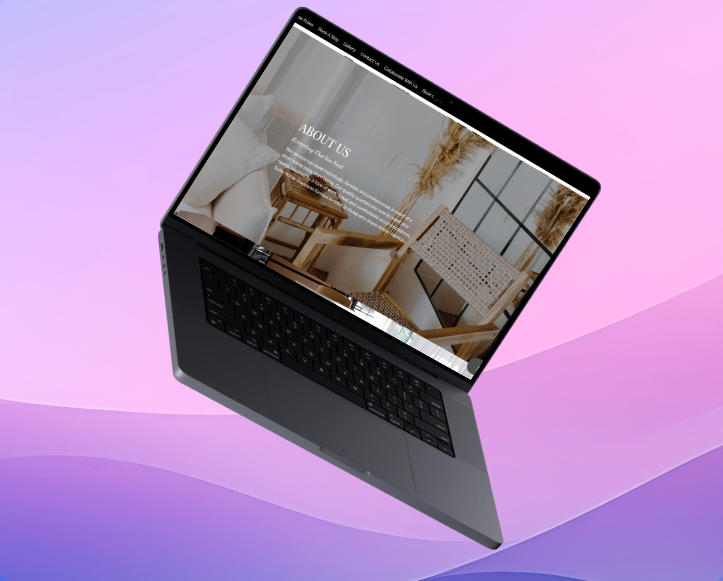
I designed a modern, user-centered website for Suite Home Stays, a short-term rental company, with a focus on creating a seamless and intuitive booking experience. The design highlights property features clearly, builds trust through clean visuals and structured information, and guides users effortlessly from exploration to reservation. The final result balances warmth and professionalism while prioritizing clarity, responsiveness, and conversion

View Project

Editorial & Essay Collection

This project involved designing a modern, content-focused website tailored for journalism and long-form storytelling. The objective was to create a digital space that prioritizes readability, credibility, and seamless content discovery while maintaining a strong visual identity.

View Project

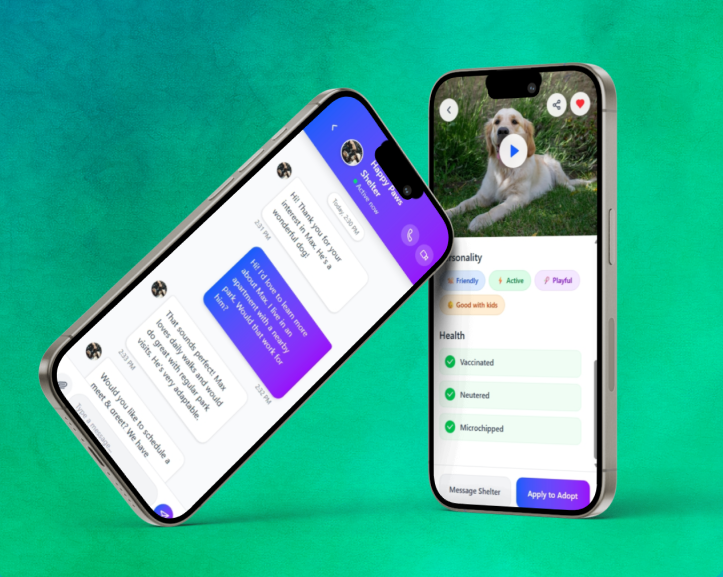
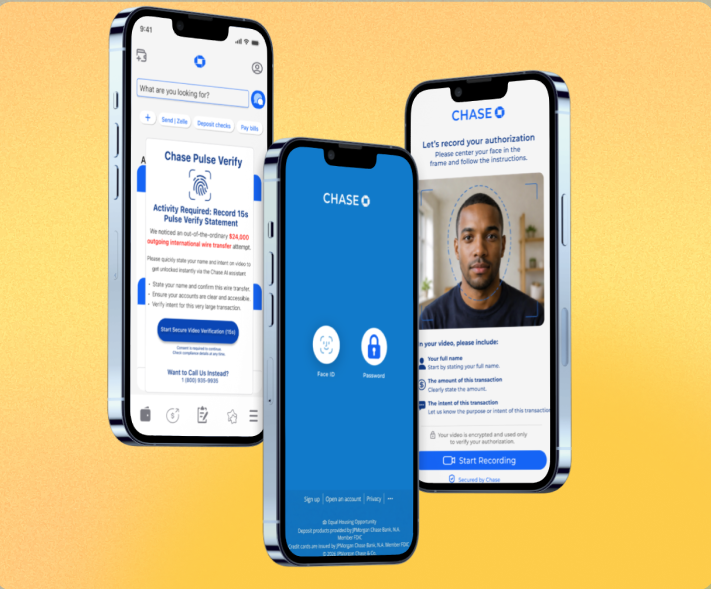
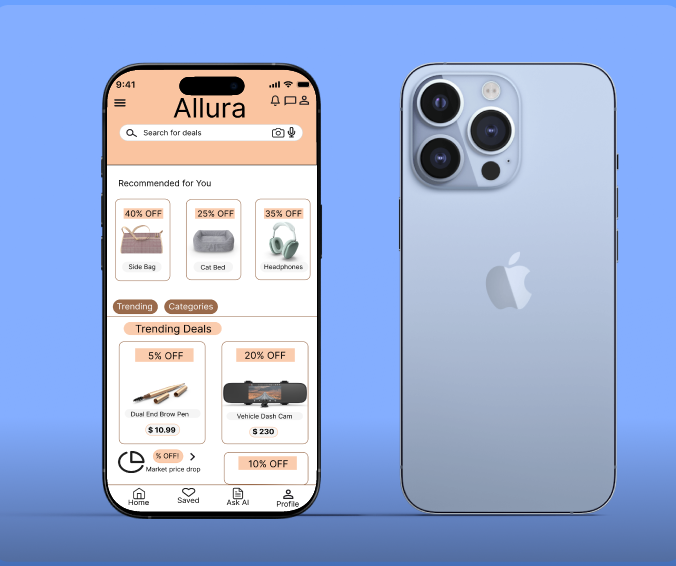
Design Lab: Ongoing UX/UI Practice & Case Studies

This project involved designing a modern, content-focused website tailored for journalism and long-form storytelling. The objective was to create a digital space that prioritizes readability, credibility, and seamless content discovery while maintaining a strong visual identity.

View Project

My UX/UI Design Process

Suite Home Stays

1. Trust First

The homepage hero section immediately introduces:

  • The brand name

  • A calming lifestyle image

  • A concise value proposition

2. Reduce Cognitive Load

Content was written in short, digestible sections.
Navigation is minimal and predictable.

3. Clear Booking Path

Multiple booking entry points ensure users can take action from different pages without needing to search.

I Design Decisions

Visual Direction

  • Warm neutral color palette

  • Soft, natural textures

  • Clean serif and sans-serif typography pairing

  • Minimal clutter

The goal was to reflect comfort, professionalism, and modern hospitality.

Imagery

High-quality interior photography reinforces:

  • Cleanliness

  • Comfort

  • Style consistency

Large image sections create an immersive experience.

Typography

Headings use elegant serif styling to convey refinement.
Body text uses simple, readable fonts for accessibility.

Key Takeaways

  • Trust is built visually before it’s built verbally.

  • Simple navigation outperforms complex layouts in hospitality websites.

  • Emotional design significantly influences booking decisions.

  • Clean UI increases perceived value of physical spaces.

Editorial & Essay Collection

The structure was designed to balance storytelling and usability:

  • Home (Featured Work + Introduction)

  • About

  • Writing Portfolio

  • Categories / Topics

  • Contact

Content was grouped intentionally to prevent overwhelming users while still showcasing depth.

UX Strategy

1. Lead With Strong Work

The homepage highlights selected featured pieces to immediately demonstrate quality and voice.

2. Design with Structure

Long-form content was structured using:

  • Clear headings

  • Short paragraphs

  • Visual breaks

  • Logical content flow

3. Reduce Friction

Simple navigation and visible contact options eliminate barriers between interest and outreach.

UI Design Decisions

Visual Direction

  • Clean, minimal layout

  • Strong typography focus

  • Ample white space

  • Editorial-style formatting

The design intentionally allows the writing to remain the focal point.

Results

  • Elevated professional presentation

  • Clearer storytelling structure

  • Improved navigation of writing samples

  • Stronger personal brand positioning

Key Takeaways

  • In editorial design, restraint is powerful.

  • Strong hierarchy improves perceived professionalism.

  • Writing portfolios benefit from UX thinking just as much as product sites.

  • Clear structure builds credibility.


‍ My UX/UI Design Lab

This space is where exploration meets intention. My Design Lab is a living archive of ongoing UX/UI projects, experiments, and design challenges that allow me to continuously sharpen both my creative and analytical skills.

Each project begins with user research. I conduct interviews to understand behaviors, motivations, pain points, and unmet needs. These conversations help me move beyond assumptions and design based on real human insight. From there, I synthesize findings into key patterns that inform user flows, feature prioritization, and interaction strategy.

Before anything becomes digital, I sketch. Hand-drawn concepts allow me to think freely and iterate quickly. I explore layout structures, navigation patterns, and interaction ideas without attachment. These sketches evolve into low-fidelity wireframes, where I begin defining hierarchy, spacing, usability logic, and system consistency.

Using Figma, I transform wireframes into interactive prototypes, refining typography, visual balance, and accessibility considerations. Every design decision is intentional. Color choices support clarity and emotion. Spacing reinforces hierarchy. Components are built for scalability. Interactions are designed to reduce cognitive load and create intuitive flow.

Throughout each project, I document my rationale. Why this layout? Why this feature placement? Why this interaction pattern? My goal is not just to create something visually appealing, but to ensure every element serves a purpose rooted in research and usability principles.

Some projects are redesign challenges focused on improving existing user experiences. Others are original concepts addressing real-world usability gaps. All of them reflect iterative thinking, structured problem solving, and a commitment to continuous improvement.

This lab represents growth in motion — a space where ideas are tested, refined, and elevated through research, feedback, and thoughtful design.