PetConnect
Overview
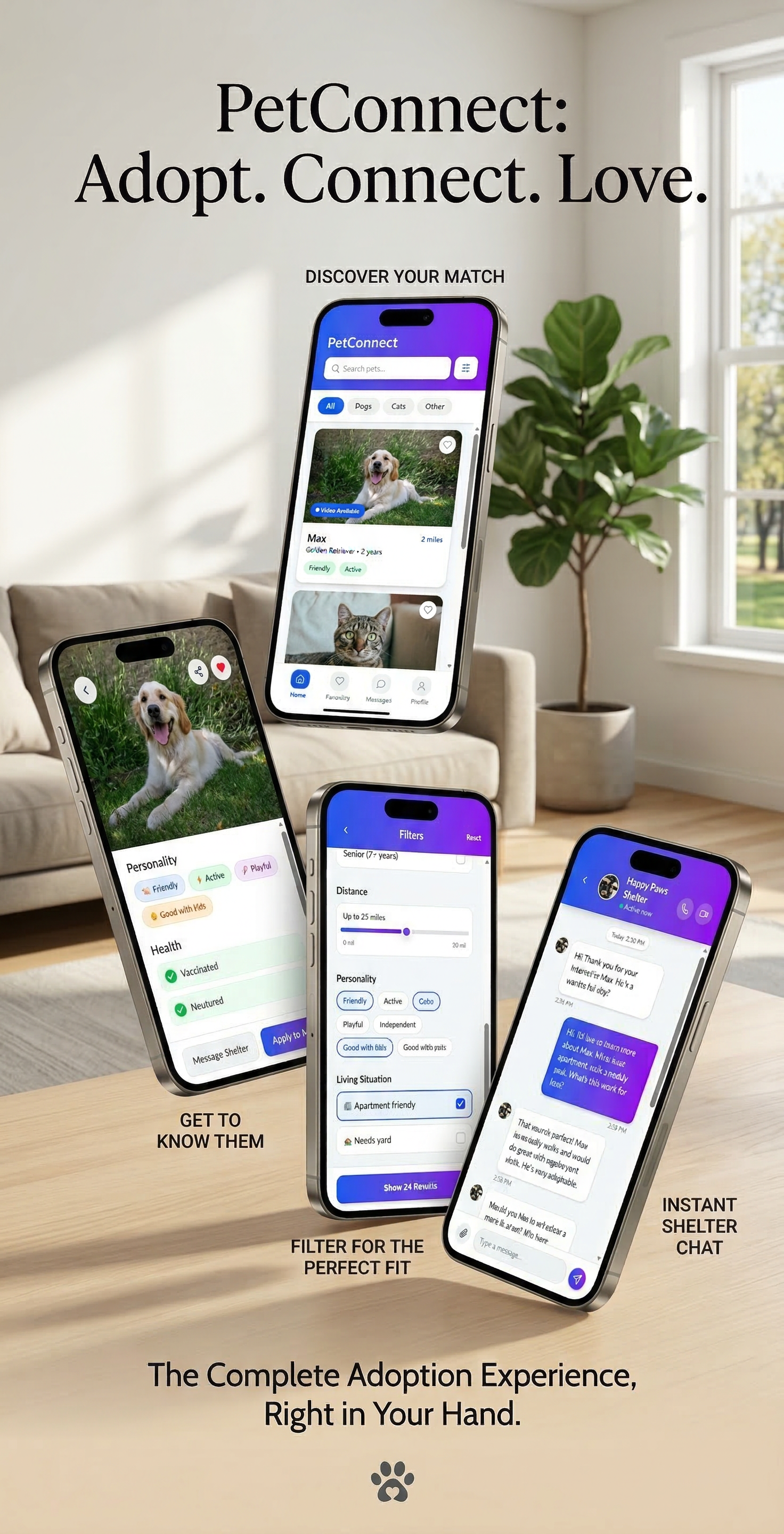
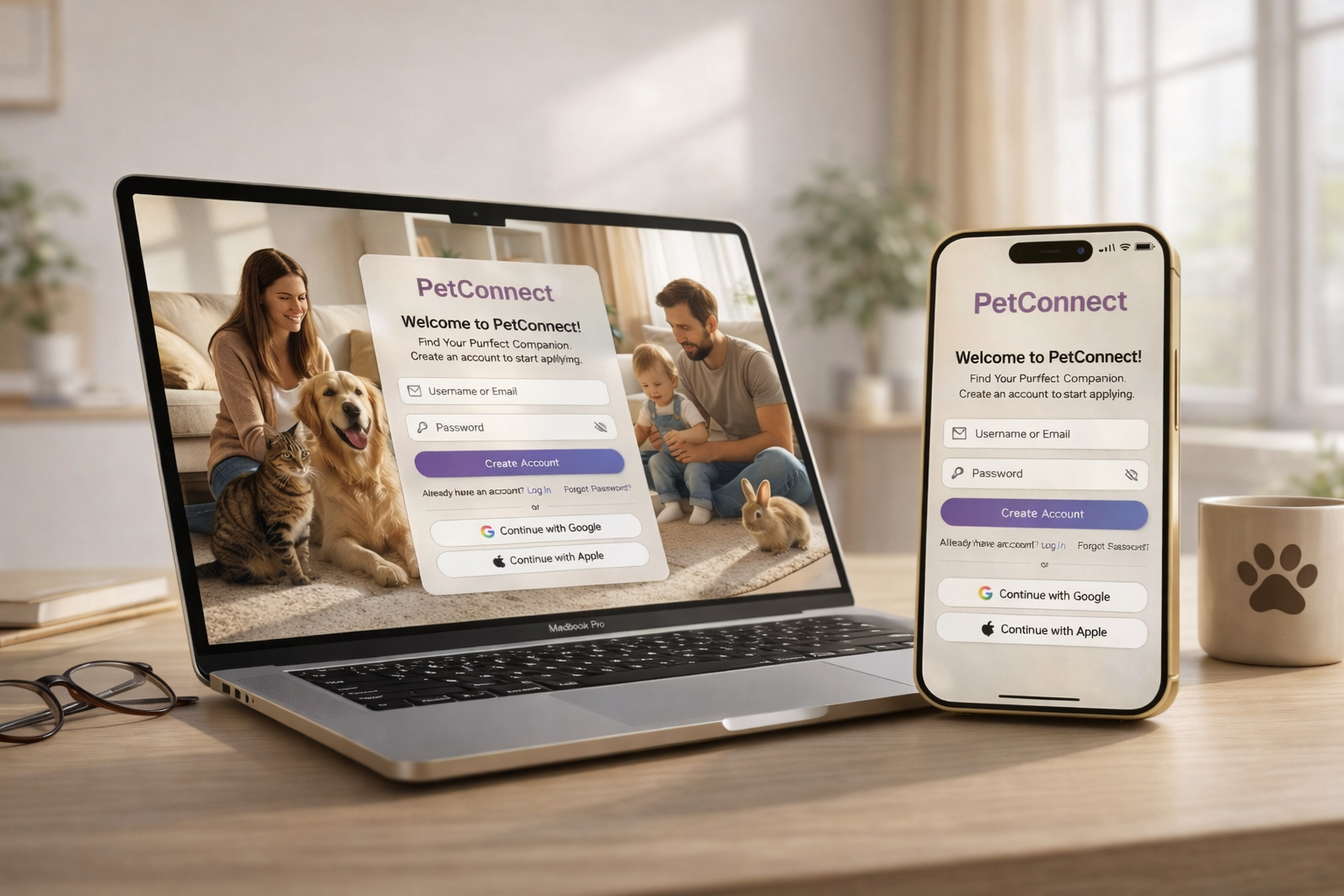
PetConnect is a user-friendly adoption platform that simplifies the process of finding and adopting pets. It connects loving homes and animals in need through a seamless, trustworthy, and supportive experience.
The Problem
Finding the right pet to adopt can be overwhelming, time-consuming, and disjointed across multiple platforms.
The Solution
Create a simple, reliable, and joyful experience that helps users find their perfect companion with ease.
User Research and Insights
My research involved conducting in-depth user interviews with potential pet adopters to understand their needs, frustrations, and motivations throughout the pet adoption process. From these insights, I created a user persona to represent PetConnects target users.
The Design Process
A user-centered approach to create a meaningful and seamless adoption experience.

Discovery & Research
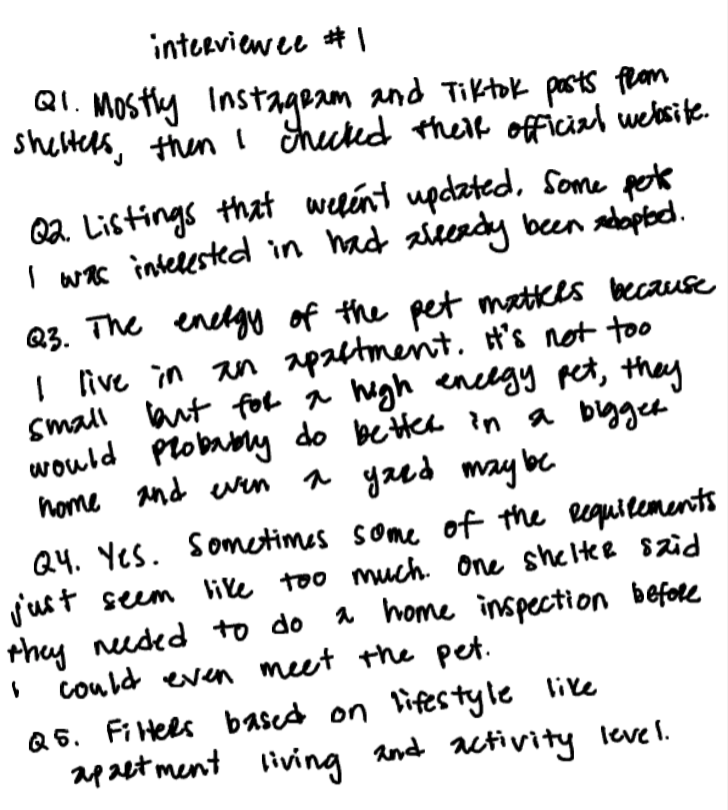
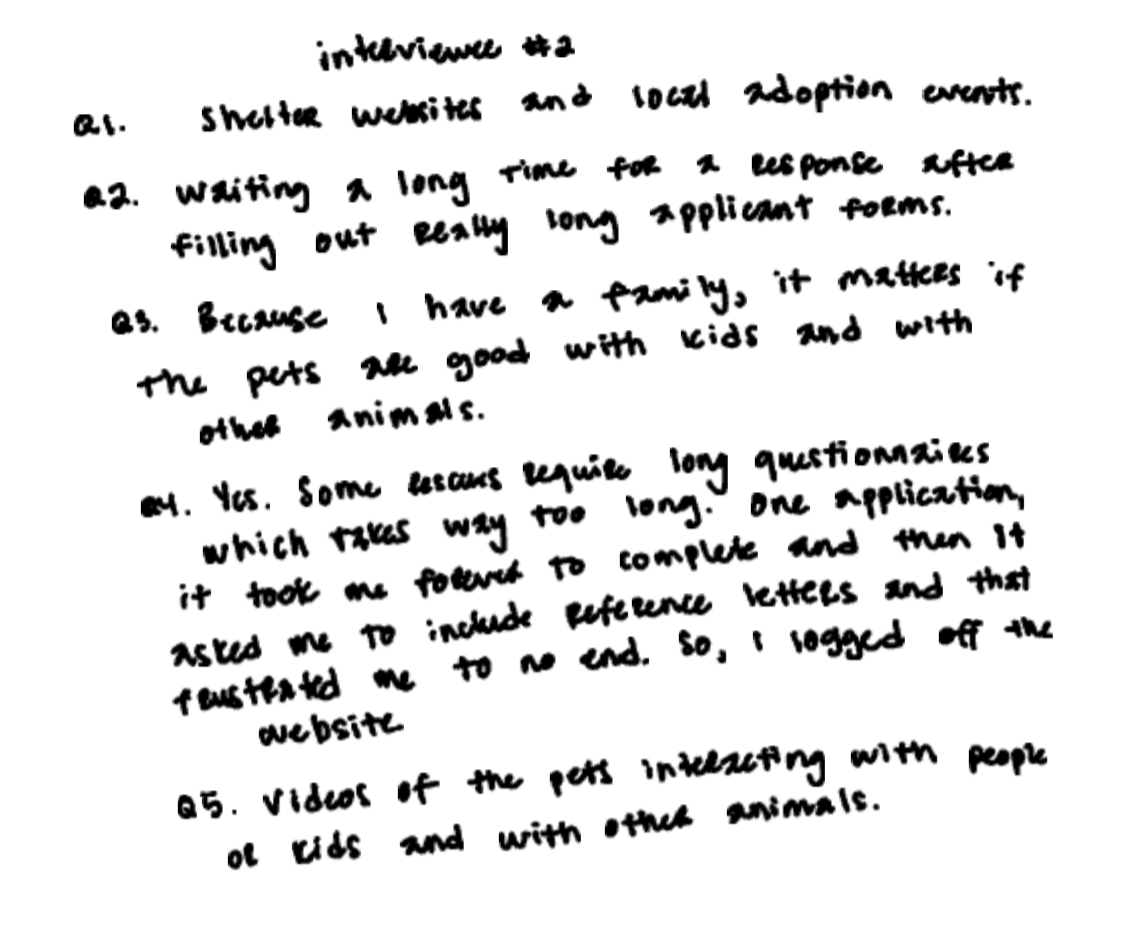
The design process for PetConnect began with understanding the challenges potential pet owners face when trying to adopt from shelters.Research was conducted through informal conversations and online observation, focusing on the adoption experience from initial interest to application. This helped uncover key pain points, including rigorous and time-consuming application processes, long wait times for responses, and unnecessary or repetitive requirements that discourage users from completing the process.These barriers often led to frustration and, in some cases, caused users to abandon adoption altogether.These insights highlighted the need for a more streamlined and accessible platform that simplifies the adoption process, reduces friction, and helps connect users with adoptable pets more efficiently.Questions asked to intervieweesHow did you start looking for a pet to adopt?
What’s the most frustrating part of adoption?
How do you decide if a pet fits your home?
Have you ever stopped pursuing an adoption due to complexity?
What would make adoption easier?
Some interview notes
User Persona
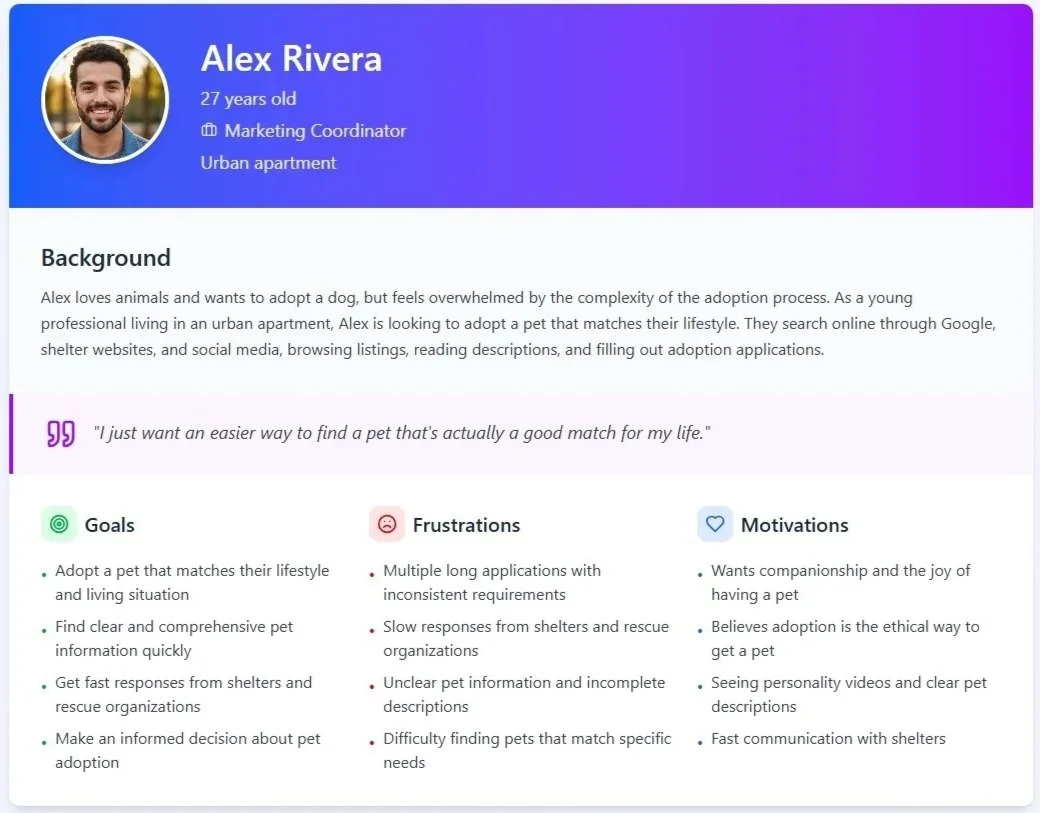
The primary goal was to synthesize the diverse needs and frustrations uncovered during my research into a single, relatable archetype. By creating Alex Rivera, I was able to:
Humanize the Data: Ensure that every design decision directly addressed the real-world barriers identified in my interviews.
Maintain Design Focus: Use Alex as a North Star to prioritize features—like unified applications and lifestyle filtering—that solve the specific "search fatigue" experienced by urban adopters.
Wireframing
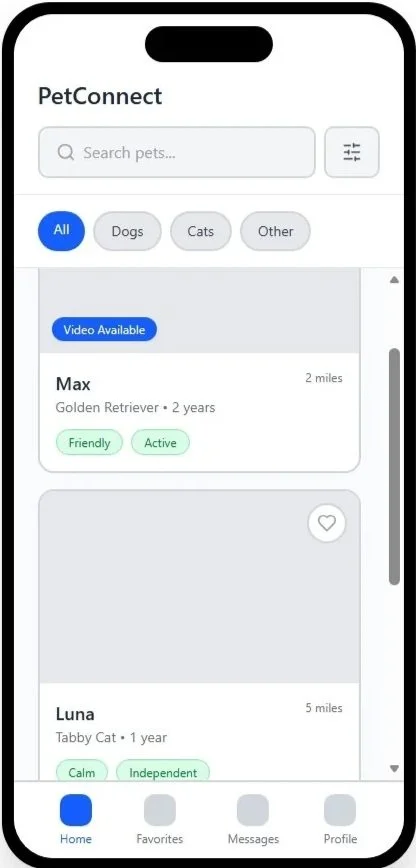
Browse & Discover
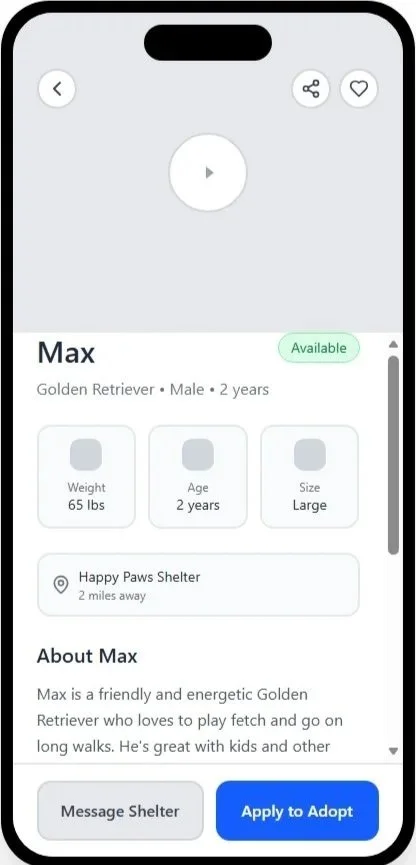
Pet Details
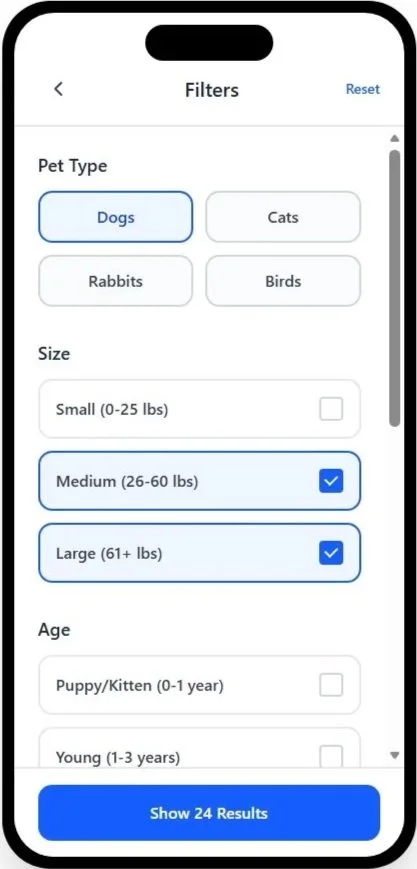
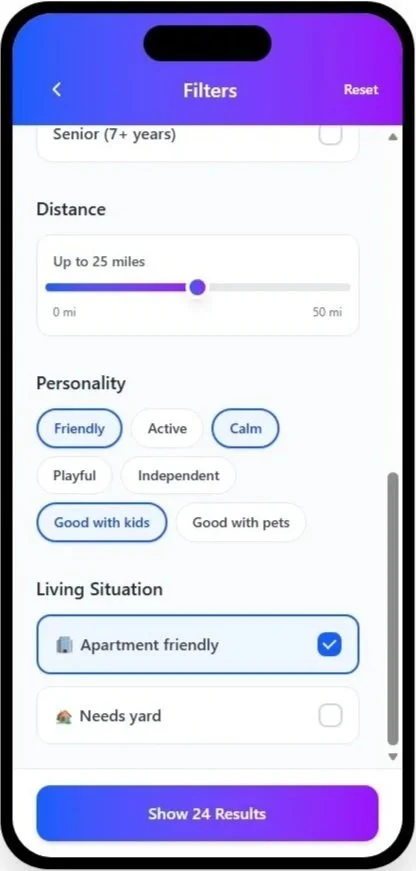
Smart Filters
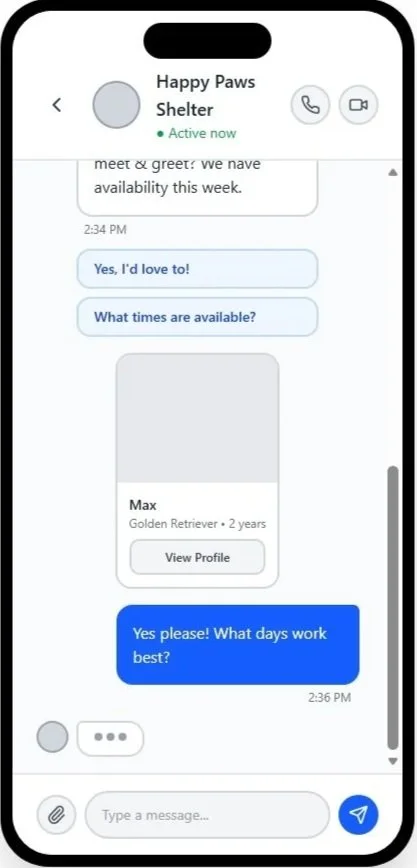
Fast Communication
High-Fidelity Mockups
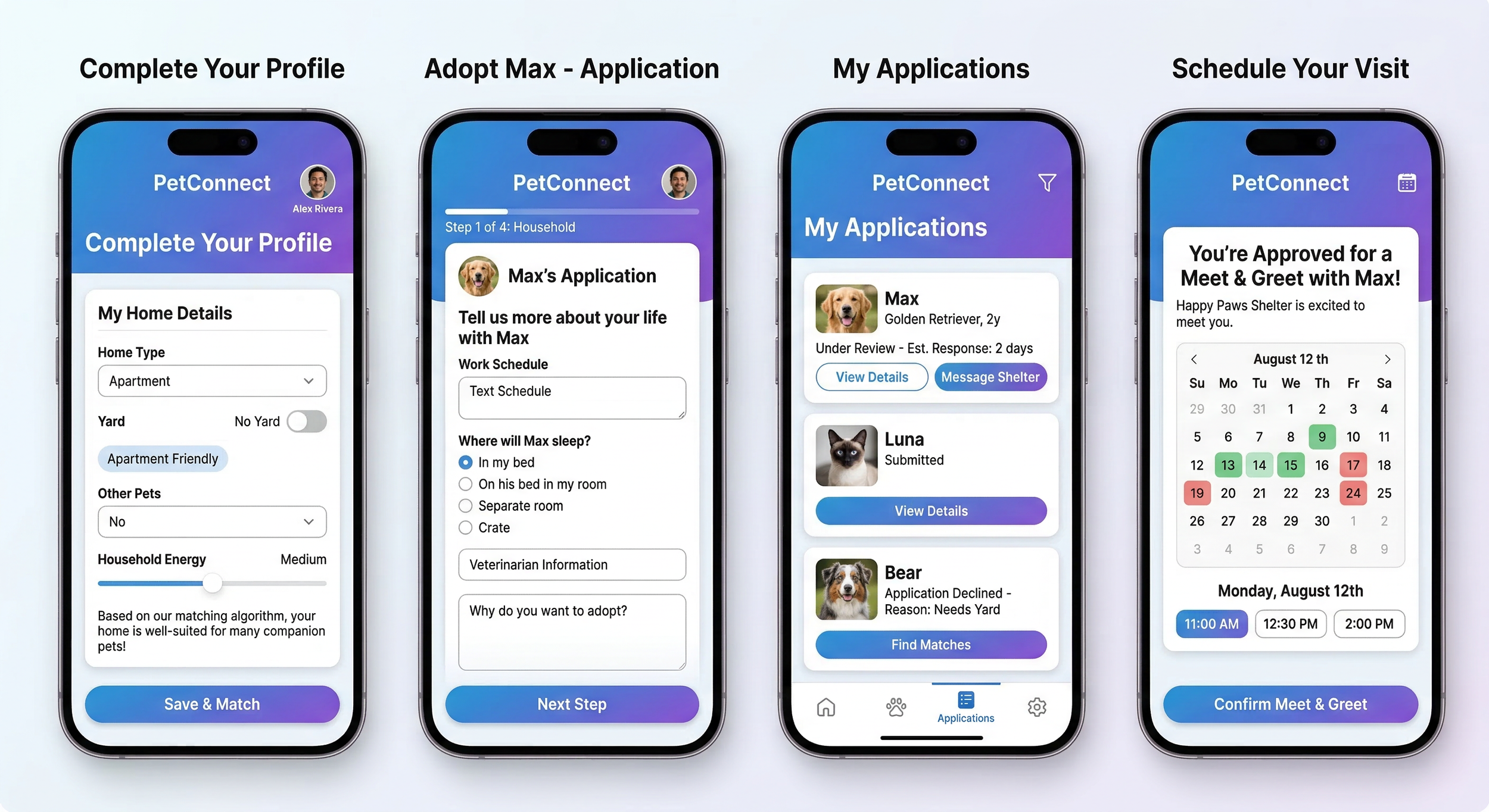
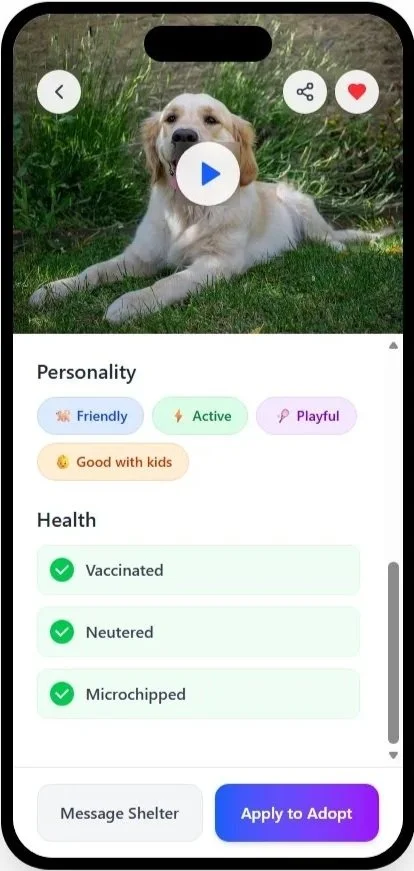
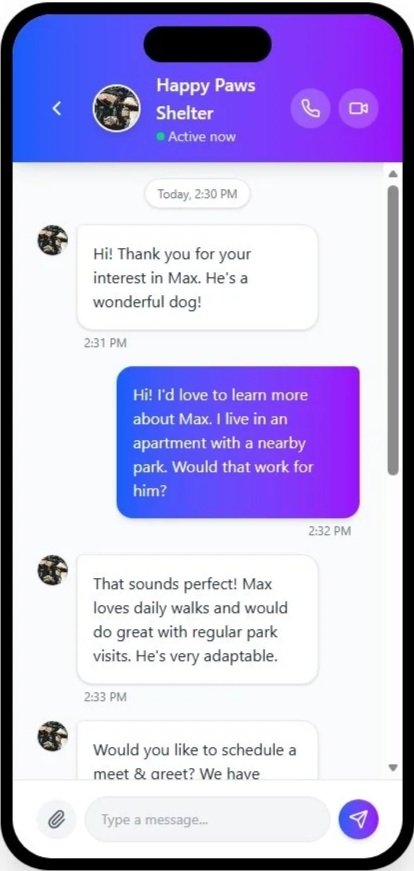
The high-fidelity mockups for PetConnect were developed with a focus on clarity, accessibility, and emotional engagement. Building on the wireframes, I translated the core user flows into a polished interface that feels intuitive and easy to navigate.
Special attention was given to simplifying complex parts of the adoption process. Visual hierarchy was used to guide users through key actions, such as browsing pets, viewing details, and completing applications, without feeling overwhelmed.
The design incorporates a clean layout, approachable typography, and a warm, inviting color palette to create a sense of trust and comfort. Since adopting a pet is both a practical and emotional decision, the interface was designed to balance efficiency with a personable experience.
Throughout this phase, I refined spacing, alignment, and component consistency to ensure a cohesive and user-friendly design system across all screens.
Final Outcome
PetConnect is a user-centered platform designed to simplify the pet adoption process by reducing unnecessary friction and making it easier for users to connect with adoptable animals nearby.
By addressing common pain points such as lengthy applications, long wait times, and overly complex requirements, the final design focuses on creating a more efficient and accessible experience. Users are able to browse, connect, and take action with greater ease and confidence.
The result is a streamlined and intuitive interface that supports both the practical and emotional aspects of adoption, helping users move from interest to action more seamlessly.
What I Learned
This project strengthened my understanding of how thoughtful design can improve real-world systems, not just digital interfaces.
I learned the importance of identifying and addressing friction points within a user journey, especially in processes that can feel overwhelming or discouraging. Simplifying complex workflows without removing necessary structure was a key challenge that shaped my approach.
I also developed a deeper appreciation for balancing usability with emotional design. Adoption is a meaningful decision, and the experience should feel both efficient and personal.
Overall, this project reinforced the value of user-centered thinking, iterative design, and creating solutions that are not only functional, but genuinely helpful.